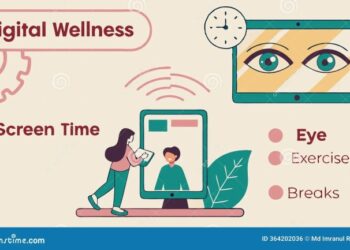

As Wellness and Fitness Trends to Watch in 2025 takes center stage, this opening passage beckons readers with a captivating insight into the upcoming advancements in wellness and fitness. The evolving landscape of technology, holistic approaches, sustainability, and personalized programs is set to reshape the way we approach well-being.
Join us on this journey to explore the trends that will define the future of wellness and fitness.
Emerging Wellness and Fitness Technologies
In the ever-evolving landscape of wellness and fitness, cutting-edge technologies are poised to revolutionize the industry by 2025. These innovations are set to transform how we approach health and well-being, offering new possibilities and opportunities for individuals to achieve their fitness goals.
Wearable Technology
Wearable technology, such as fitness trackers and smartwatches, has already made a significant impact on how people monitor their physical activity and health. By 2025, we can expect these devices to become even more advanced, offering real-time data on various metrics like heart rate, sleep patterns, and even stress levels.
This continuous feedback will enable users to make more informed decisions about their fitness routines and overall well-being.
Artificial Intelligence Integration
The integration of artificial intelligence (AI) in wellness and fitness is another game-changer set to shape the future of the industry. AI-powered fitness apps and platforms can provide personalized workout plans, nutrition recommendations, and even virtual coaching sessions based on individual preferences and goals.
This level of customization and guidance can help users stay motivated, track their progress accurately, and ultimately achieve better results in their fitness journey.
Virtual Reality Fitness
Virtual reality (VR) technology is also expected to gain traction in the wellness and fitness space by 2025. VR fitness programs offer immersive and engaging workout experiences, making exercise more enjoyable and effective. Users can escape the confines of traditional gym settings and explore virtual worlds while breaking a sweat, adding an element of fun and novelty to their fitness routines.
Comparing Traditional Methods with Tech-Driven Solutions
While traditional fitness methods like running, weightlifting, and yoga will always have their place, tech-driven solutions are enhancing these practices by providing data-driven insights, personalized recommendations, and interactive experiences. The combination of time-tested exercises with cutting-edge technologies offers a holistic approach to wellness and fitness, catering to a wider range of preferences and needs.
Holistic Wellness Approaches
Holistic wellness refers to an approach that considers the whole person, including their physical, mental, emotional, and spiritual well-being. The significance of holistic wellness lies in its focus on addressing all aspects of an individual's health to achieve overall balance and harmony.
Examples of Holistic Wellness Practices
- Yoga and Meditation: These practices not only benefit physical health but also promote mental clarity and emotional well-being.
- Acupuncture and Traditional Chinese Medicine: These therapies focus on balancing the body's energy flow to improve overall health.
- Herbal Medicine and Ayurveda: Using natural remedies and ancient practices to treat various health issues and promote holistic well-being.
Evolution of Integrating Physical, Mental, and Emotional Well-Being
In recent years, there has been a growing recognition of the interconnectedness of physical, mental, and emotional well-being in wellness trends. This evolution is evident in the emphasis on practices that address all these aspects simultaneously to achieve optimal health outcomes.
Sustainable Fitness and Wellness Practices

As the world becomes more environmentally conscious, the fitness and wellness industry is also seeing a shift towards sustainable practices. This shift is not only beneficial for the planet but also for the overall well-being of individuals.
The Rise of Sustainable Fitness Practices
Sustainable fitness practices focus on reducing the carbon footprint of workouts and exercise routines. This includes using eco-friendly equipment, such as biodegradable yoga mats or energy-efficient gym machines. Additionally, more fitness centers are incorporating sustainable design elements like natural lighting and recycled materials to create eco-conscious spaces
Impact on the Environment
By adopting sustainable fitness practices, individuals and businesses in the wellness industry can significantly reduce their impact on the environment. This can lead to decreased energy consumption, lower waste production, and overall conservation of resources. Small changes in workout routines, such as choosing to walk or bike instead of driving to the gym, can make a big difference in reducing carbon emissions.
Sustainable Wellness Practices and Consumer Choices
Consumers are increasingly looking for eco-friendly products and services when it comes to their wellness routines. From organic skincare products to sustainably sourced supplements, individuals are more mindful of the environmental impact of their wellness choices. This shift in consumer behavior is driving businesses to prioritize sustainability and offer more green options to meet the demand.
Importance of Sustainability in Shaping Future Trends
Sustainability is not just a trend but a necessity in shaping the future of fitness and wellness practices. As climate change continues to be a pressing issue, the industry must adapt to more eco-friendly approaches to ensure a healthier planet for future generations.
By integrating sustainable practices into everyday routines, individuals can contribute to a more sustainable and holistic approach to overall well-being.
Personalized Wellness and Fitness Programs
Personalized wellness and fitness programs have gained popularity due to their ability to cater to individual needs and goals. By leveraging data analytics and personalized nutrition plans, these programs can optimize health and fitness outcomes like never before. This tailored approach is revolutionizing the way people approach their wellness and fitness journeys.
Data Analytics in Personalized Programs
Data analytics play a crucial role in personalized wellness and fitness programs by tracking individual progress, analyzing trends, and adapting plans accordingly. By collecting and interpreting data on factors such as activity levels, nutrition intake, and sleep patterns, these programs can provide specific recommendations to help individuals reach their health goals.
Personalized Nutrition Plans
Personalized nutrition plans are a key component of personalized wellness programs, as they take into account an individual's unique dietary needs, preferences, and health conditions. By tailoring meal plans to meet specific nutritional requirements, these programs can enhance overall health and well-being, leading to improved energy levels, weight management, and overall vitality.
Redefining Traditional Approaches
Personalized wellness and fitness programs are challenging the one-size-fits-all approach to health and fitness. Instead of following generic workout routines or diet plans, individuals can now access personalized programs that consider their unique physiology, lifestyle, and goals. This shift towards customization is empowering individuals to take control of their health in a way that was not possible before.
Last Point
In conclusion, the future of wellness and fitness is poised for exciting transformations with the integration of cutting-edge technologies, holistic practices, sustainable initiatives, and personalized programs. By staying informed and embracing these trends, individuals can embark on a journey towards better health and well-being in the years to come.
Expert Answers
What are some emerging wellness and fitness technologies expected by 2025?
Some cutting-edge technologies include virtual reality workouts, personalized fitness apps, and AI-driven health monitoring systems.
How does holistic wellness play a role in enhancing overall health?
Holistic wellness emphasizes the integration of physical, mental, and emotional well-being to achieve overall health and balance.
Why is sustainability important in shaping future fitness and wellness trends?
Sustainability ensures that fitness and wellness practices are environmentally friendly, promoting long-term health for both individuals and the planet.
How do personalized wellness programs impact health and fitness outcomes?
Personalized programs use data analytics to tailor fitness and nutrition plans to individual needs, optimizing results and promoting long-term success.