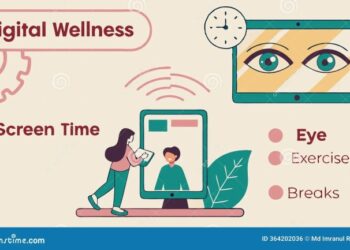

As we delve into How Wellness Centers Are Changing the Future of Healthcare, we uncover a transformative shift in the healthcare landscape. Wellness centers play a crucial role in promoting preventive care and reshaping traditional healthcare models, paving the way for a more holistic and patient-centered approach.
The following paragraphs will explore the integration of holistic health practices, the impact of technology and innovation in wellness centers, and the significance of collaborative care models in shaping the future of healthcare.
How Wellness Centers Are Changing the Future of Healthcare
Wellness centers play a crucial role in transforming the landscape of healthcare by emphasizing a holistic approach to well-being. These centers are designed to promote overall health and prevent diseases rather than just treating symptoms.
Define the Concept of Wellness Centers in Healthcare
Wellness centers are facilities that offer a wide range of services focused on promoting physical, mental, and emotional well-being. These centers often provide services such as fitness programs, nutrition counseling, stress management, and alternative therapies like acupuncture and meditation. The goal of wellness centers is to empower individuals to take control of their health and make positive lifestyle changes.
Explain the Role of Wellness Centers in Preventive Care
Wellness centers prioritize preventive care through education, screenings, and lifestyle interventions. By offering preventive services such as health assessments, screenings for chronic conditions, and personalized wellness plans, these centers help individuals identify and address health risks before they escalate into serious medical issues.
This proactive approach not only improves health outcomes but also reduces healthcare costs in the long run.
Discuss the Impact of Wellness Centers on Traditional Healthcare Models
Wellness centers are challenging traditional healthcare models by shifting the focus from treating illness to promoting wellness. By encouraging individuals to adopt healthy habits and preventive measures, wellness centers are reducing the burden on hospitals and clinics, leading to a more sustainable healthcare system.
Moreover, the integration of wellness practices into mainstream healthcare is fostering a more patient-centered and holistic approach to health management.
Integration of Holistic Health Practices
Holistic health practices are becoming increasingly integrated into wellness centers, offering a more comprehensive approach to healthcare that focuses on treating the whole person, including mind, body, and spirit.
Incorporation of Alternative Therapies
- Acupuncture: Wellness centers often offer acupuncture services, a traditional Chinese medicine practice that involves inserting thin needles into specific points on the body to promote healing and relieve pain.
- Yoga and Meditation: Many wellness centers provide yoga classes and meditation sessions to help individuals reduce stress, improve flexibility, and enhance overall well-being.
- Massage Therapy: Massage therapy is another common holistic service offered in wellness centers, aiming to relax muscles, improve circulation, and reduce tension.
Comparison to Traditional Medical Practices
Wellness centers emphasize preventive care, lifestyle changes, and natural healing methods, while traditional medical practices often focus on treating symptoms with medication and surgical interventions.
Wellness centers prioritize patient education, empowerment, and self-care, promoting long-term health and wellness.
Unlike traditional medicine, which may overlook the interconnectedness of physical, emotional, and spiritual health, holistic health practices in wellness centers address the root causes of health issues to achieve lasting results.
Technology and Innovation in Wellness Centers
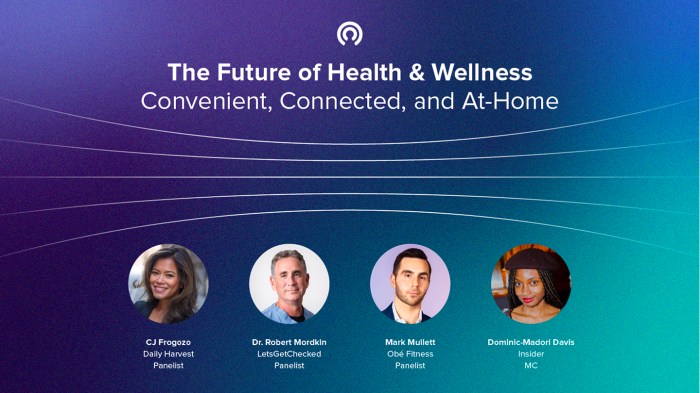
Technology plays a crucial role in enhancing the patient experience in wellness centers by providing innovative solutions and personalized care.
Telemedicine and Virtual Consultations
Telemedicine and virtual consultations have revolutionized the way healthcare services are delivered in wellness centers. Patients can now access medical advice and treatment remotely, without the need for in-person visits. This has not only increased convenience for patients but also improved access to healthcare, especially for those in remote areas.
Data Analytics for Personalized Wellness Programs
Wellness centers are utilizing data analytics to personalize wellness programs for individuals based on their unique health needs and goals. By analyzing data related to a patient's lifestyle, habits, and medical history, wellness centers can tailor programs that are specific to each individual
This customized approach ensures that patients receive the most effective and targeted care possible, leading to better health outcomes.
Collaborative Care Models
Collaborative care models in wellness centers involve a team-based approach where healthcare providers from different specialties work together to provide comprehensive and holistic care to patients. This integrated approach aims to address not just the physical health of individuals but also their mental, emotional, and social well-being.
Benefits of a Multidisciplinary Approach in Wellness Centers
Implementing a multidisciplinary approach in wellness centers offers several advantages:
- Enhanced patient outcomes: By combining expertise from various disciplines, patients receive more personalized and effective treatment plans.
- Improved coordination of care: Different healthcare providers collaborate to ensure seamless communication and continuity of care for patients.
- Comprehensive assessment: Patients benefit from a comprehensive evaluation that considers all aspects of their health and well-being.
- Increased patient satisfaction: The integrated approach results in higher patient satisfaction levels due to the personalized and holistic care provided.
Challenges and Opportunities of Implementing Collaborative Care Models in Healthcare
While collaborative care models offer numerous benefits, they also present challenges and opportunities:
- Challenges:
- Resistance to change: Implementing a multidisciplinary approach may face resistance from healthcare professionals accustomed to traditional practices.
- Communication barriers: Ensuring effective communication and coordination among team members from different specialties can be challenging.
- Resource allocation: Allocating resources and managing the workflow in a collaborative care setting require careful planning and coordination.
- Opportunities:
- Improved patient outcomes: Collaborative care models have the potential to enhance patient outcomes by leveraging the expertise of multiple healthcare providers.
- Innovation and creativity: Encouraging collaboration fosters innovation and creativity in developing new treatment approaches and strategies.
- Professional development: Healthcare providers have the opportunity to learn from each other, expanding their knowledge and skills through interdisciplinary collaboration.
Final Wrap-Up
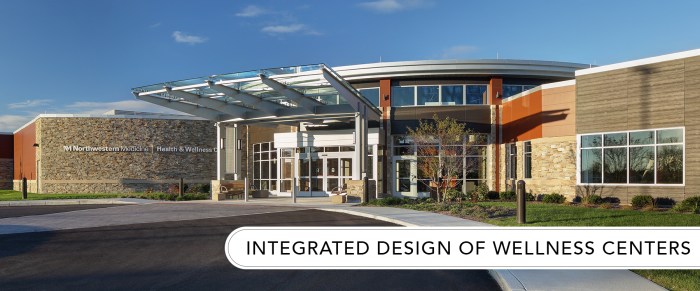
In conclusion, the evolution of wellness centers signifies a paradigm shift towards a more comprehensive and personalized healthcare experience. By embracing holistic practices, leveraging technology, and fostering collaboration among healthcare providers, wellness centers are at the forefront of revolutionizing the future of healthcare.
Quick FAQs
What are wellness centers in healthcare?
Wellness centers are facilities that focus on promoting overall well-being through preventive care, lifestyle interventions, and holistic health practices.
How do wellness centers impact traditional healthcare models?
Wellness centers challenge traditional healthcare models by emphasizing preventive care, personalized wellness programs, and a more holistic approach to health and healing.
What types of holistic health services are offered in wellness centers?
Holistic health services in wellness centers may include acupuncture, chiropractic care, massage therapy, nutritional counseling, and mindfulness practices.
How does technology enhance the patient experience in wellness centers?
Technology in wellness centers improves access to care through telemedicine, virtual consultations, and data analytics that personalize wellness programs for individuals.
Why is collaborative care important in wellness centers?
Collaborative care in wellness centers ensures comprehensive patient care by integrating various healthcare providers, promoting a multidisciplinary approach to health and well-being.