
Embark on a journey towards holistic well-being with our comprehensive guide on creating a wellness-focused lifestyle. From physical wellness to emotional balance, this guide covers it all to help you lead a healthier and happier life.
Delve into the world of wellness and discover the key practices that can transform your lifestyle for the better.
Introduction to Wellness-Focused Lifestyle
A wellness-focused lifestyle is centered around prioritizing activities and habits that promote physical, mental, and emotional well-being. It involves making conscious choices to improve overall health and quality of life.
By adopting a wellness-focused lifestyle, individuals can experience a wide range of benefits, including increased energy levels, better stress management, improved mood, and enhanced immune function. This proactive approach to health can also reduce the risk of chronic diseases and promote longevity.
Wellness Practices for Overall Well-being
- Regular Exercise: Engaging in physical activity not only improves cardiovascular health and strengthens muscles but also releases endorphins that boost mood and reduce stress.
- Healthy Eating: Consuming a balanced diet rich in fruits, vegetables, whole grains, and lean proteins provides essential nutrients for optimal body function.
- Mindfulness and Meditation: Practicing mindfulness techniques and meditation can help reduce anxiety, improve focus, and promote relaxation.
- Adequate Sleep: Getting enough quality sleep is crucial for overall well-being, as it allows the body to rest, repair, and recharge.
- Stress Management: Finding effective ways to manage stress, such as deep breathing exercises, yoga, or hobbies, can improve mental resilience and overall health.
Physical Wellness
Maintaining physical wellness is a crucial aspect of a wellness-focused lifestyle as it contributes to overall health and well-being. Physical wellness involves making healthy choices to support the body's optimal functioning.Regular exercise plays a key role in achieving physical wellness.
Here are some tips on how to incorporate exercise into your daily routine:
Tips for Regular Exercise
- Start small and gradually increase intensity to avoid burnout.
- Find activities you enjoy to make exercise more sustainable.
- Schedule workouts at a consistent time each day to establish a routine.
- Mix up your routine with different types of exercises to keep things interesting.
Physical activity is not only beneficial for the body but also has a positive impact on mental health. The connection between physical activity and mental well-being is well-documented, with exercise releasing endorphins that can help reduce stress, anxiety, and improve mood.
By prioritizing physical wellness through regular exercise, you can enhance both your physical and mental health.
Nutritional Wellness
Nutrition plays a crucial role in promoting overall wellness by providing the essential nutrients needed for the body to function optimally. A balanced and nutritious diet not only supports physical health but also impacts energy levels and mood.
Examples of Balanced and Nutritious Meals
- Grilled salmon with quinoa and roasted vegetables
- Greek yogurt with mixed berries and almonds
- Vegetable stir-fry with tofu and brown rice
Impact of Food Choices on Energy Levels and Mood
Choosing nutrient-dense foods rich in vitamins, minerals, and antioxidants can boost energy levels and improve mood by providing sustained energy throughout the day. In contrast, consuming sugary or highly processed foods may lead to energy crashes and mood swings.
Mental Wellness
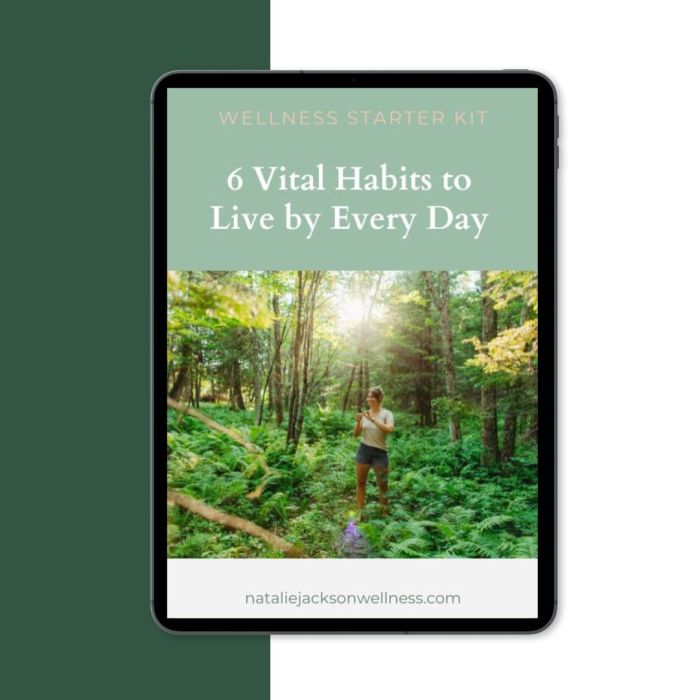
Maintaining mental wellness is a crucial aspect of a holistic wellness-focused lifestyle. It involves taking care of your emotional and psychological well-being to enhance overall quality of life.
Strategies for Managing Stress and Improving Mental Health
- Practice relaxation techniques such as deep breathing, mindfulness, or progressive muscle relaxation.
- Engage in regular physical activity to reduce stress and boost mood through the release of endorphins.
- Establish a support system of friends, family, or a therapist to talk to during challenging times.
- Set boundaries to prioritize self-care and avoid burnout.
Benefits of Mindfulness Practices
- Meditation can help reduce anxiety, improve focus, and promote emotional well-being.
- Yoga combines physical movement with mindfulness, enhancing flexibility, strength, and mental clarity.
- Practicing mindfulness can lead to better stress management, increased self-awareness, and a sense of inner peace.
Emotional Wellness
Emotional wellness plays a crucial role in our overall well-being, impacting how we cope with stress, relate to others, and make decisions in our daily lives. It involves being aware of and accepting our feelings, managing stress effectively, and fostering positive relationships.
Cultivating Positive Emotions and Resilience
Embracing positive emotions like gratitude, joy, and hope can help improve emotional wellness. Engaging in activities that bring you happiness, practicing mindfulness, and finding healthy ways to cope with challenges can enhance resilience. Remember, it's okay to seek support from loved ones or professional help when needed.
Building Healthy Relationships and Setting Boundaries
Healthy relationships are essential for emotional wellness. Communicate openly and honestly with others, listen actively, and show empathy. Setting boundaries is also crucial to protect your emotional well-being. Learn to say no when necessary, prioritize self-care, and surround yourself with people who uplift and support you.
Social Wellness
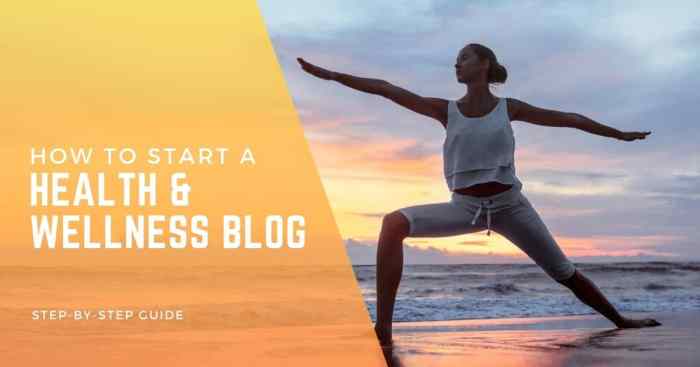
Social connections play a vital role in maintaining a wellness-focused lifestyle. Building meaningful relationships and engaging in community involvement can have a significant impact on overall well-being.
Importance of Social Connections
Cultivating strong social connections can help reduce feelings of isolation and loneliness, leading to improved mental and emotional health. Having a support system in place can provide a sense of belonging and purpose, ultimately enhancing one's quality of life.
Ideas for Fostering Meaningful Relationships
- Joining clubs or groups based on shared interests
- Volunteering in the community
- Attending social events or gatherings
- Maintaining regular contact with friends and family members
Impact of Social Support
Social support can act as a buffer against stress, anxiety, and depression. Having a strong network of friends and loved ones to lean on during challenging times can help improve resilience and coping mechanisms. Additionally, sharing experiences and emotions with others can foster a sense of empathy and understanding, leading to enhanced mental and emotional well-being.
Spiritual Wellness
Spiritual wellness is a vital component of holistic well-being that focuses on finding meaning and purpose in life, as well as connecting to something greater than oneself. It involves exploring one's values, beliefs, and sense of inner peace.
Practices for Nurturing Spiritual Health
- Engage in meditation or mindfulness practices to cultivate a sense of presence and awareness.
- Connect with nature through activities like hiking, gardening, or simply spending time outdoors.
- Explore your spirituality through prayer, yoga, or other religious practices that resonate with you.
- Reflect on your values and beliefs to gain a deeper understanding of what brings meaning to your life.
- Practice gratitude and appreciation for the blessings in your life, fostering a sense of contentment.
Spiritual Beliefs and Practices for Overall Wellness
Spiritual beliefs and practices can play a significant role in enhancing overall wellness by providing a sense of purpose, hope, and connection to something beyond the physical realm. By nurturing spiritual health, individuals can experience greater resilience, inner peace, and emotional balance in the face of life's challenges.
Final Review
In conclusion, embracing a wellness-focused lifestyle is not just about making small changes; it's about creating a mindset that prioritizes your health and happiness. By incorporating the tips and strategies Artikeld in this guide, you can take the first step towards a more fulfilling life.
Top FAQs
How can I start incorporating a wellness-focused lifestyle into my daily routine?
Begin by setting small, achievable goals such as taking a daily walk, eating more fruits and vegetables, or practicing mindfulness for a few minutes each day.
What are some easy ways to improve mental wellness?
Engage in activities you enjoy, practice relaxation techniques like deep breathing, and seek support from a therapist or counselor if needed.
Is spiritual wellness necessary for overall well-being?
Spiritual wellness can provide a sense of purpose and connection, but it's not mandatory. Explore practices that resonate with you to enhance your overall wellness.