
Digital Wellness for Families: Managing Screen Time Wisely sets the stage for this enthralling narrative, offering readers a glimpse into a story that is rich in detail with casual formal language style and brimming with originality from the outset.
The topic explores the significance of digital wellness in family life and the strategies to manage screen time wisely, providing a comprehensive guide for families navigating the digital age.
Introduction to Digital Wellness for Families
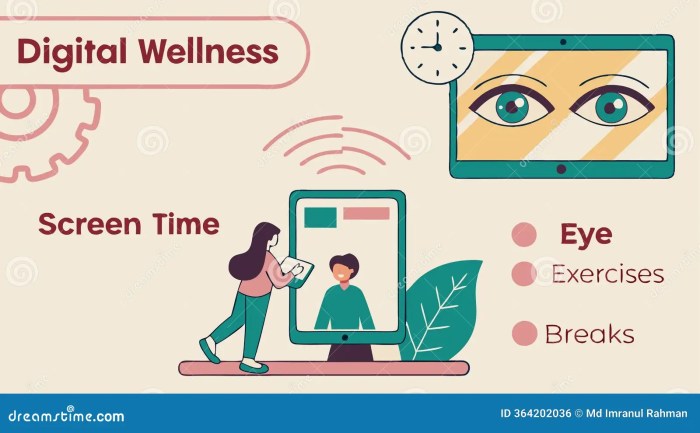
Digital wellness in the context of family life refers to the balance and healthy use of technology and screens within a family unit. It involves being mindful of the impact of digital devices on family dynamics and relationships.
Managing screen time wisely is crucial for families as excessive use of screens can lead to various negative effects such as decreased communication, disrupted sleep patterns, and reduced quality time spent together. It is essential to establish boundaries and guidelines to ensure a healthy and balanced use of technology within the family.
The Impact of Excessive Screen Time on Family Dynamics
Research has shown that families who spend excessive amounts of time on screens tend to have lower levels of communication and engagement with each other. This can lead to feelings of disconnect and isolation among family members, impacting the overall well-being of the family unit.
Setting Screen Time Limits
Setting screen time limits for different age groups within a family is crucial to ensure a healthy balance between digital engagement and other activities. Here are some strategies and tips to help families manage screen time effectively:
Strategies for Different Age Groups
- For preschoolers and young children, limit screen time to 1 hour per day, focusing on educational and interactive content.
- For school-aged children, consider setting a daily screen time limit of 2 hours, allowing for a mix of educational, entertainment, and social activities.
- For teenagers, establish clear guidelines for screen time, balancing schoolwork, social media, and recreational screen time.
Tips for Creating a Screen Time Schedule
- Involve the entire family in creating a screen time schedule to ensure buy-in and cooperation.
- Set designated screen-free times, such as during meals or before bedtime, to promote offline interactions and better sleep habits.
- Encourage outdoor activities and hobbies to provide alternatives to screen time.
Tools and Apps for Managing Screen Time
- Use built-in features on devices, such as screen time limits and app usage trackers, to monitor and control screen time.
- Explore parental control apps like Qustodio, Screen Time, or Family Link to set restrictions and monitor screen time across devices.
- Consider using tools like OurPact to remotely manage and schedule screen time for each family member.
- Set specific rules about when and for how long screens can be used.
- Clarify which devices are included in the screen time limits.
- Discuss consequences for not following the agreements.
- Include children in the process of creating the family agreement.
- Encourage them to share their thoughts and concerns about screen time.
- Allow them to provide input on the rules to promote a sense of ownership.
- Schedule regular family meetings to discuss how the screen time rules are working.
- Be open to adjusting the agreements based on feedback and changing needs.
- Ensure that everyone's opinions are heard and considered during these discussions.
- Outdoor Adventures: Plan hikes, picnics, or bike rides to enjoy nature and fresh air together.
- DIY Projects: Engage in creative projects like crafting, building, or gardening to foster teamwork and creativity.
- Game Nights: Have regular game nights with board games or card games to promote friendly competition and laughter.
- Cooking Together: Cook meals as a family, trying out new recipes and enjoying the process of preparing and sharing food.
- Family Book Club: Choose a book to read together and discuss it regularly to encourage reading and meaningful conversations.
Promoting Healthy Tech Habits
In today's digital age, promoting healthy tech habits in both children and parents is crucial for overall well-being. By encouraging positive digital behaviors and incorporating tech-free activities into family life, you can create a balanced and mindful approach to technology use.
Role of Parental Modeling
Parents play a significant role in shaping their children's tech habits through their own behavior. Children often mimic what they see, so it's important for parents to model healthy tech use. This can include setting boundaries for screen time, prioritizing face-to-face interactions, and demonstrating the importance of unplugging and engaging in other activities.
Incorporating Tech-Free Activities
One effective way to promote healthy tech habits is by incorporating tech-free activities or routines into daily family life. This can involve setting designated tech-free times, such as during meals or before bedtime, to encourage face-to-face interactions and bonding. Engaging in outdoor activities, reading books together, or pursuing hobbies that don't involve screens can also help create a healthy balance.
Communication and Family Agreements
Open communication within the family is crucial when it comes to setting screen time rules and expectations
Establish Clear Guidelines
Involve Children in Decision-Making
Regularly Review and Adjust
Balancing Screen Time with Other Activities
In today's digital age, it's essential for families to find a healthy balance between screen time and other activities. By incorporating outdoor play, physical activity, and quality family time, you can create a well-rounded approach to technology use.
Benefits of Limiting Screen Time
Limited screen time can lead to increased face-to-face interactions within the family, promoting better communication and bonding. It also allows for a more active lifestyle, reducing sedentary behavior associated with excessive screen time.
Alternative Activities for Families
Wrap-Up
In conclusion, Digital Wellness for Families: Managing Screen Time Wisely emphasizes the importance of fostering healthy tech habits, open communication, and a balance between screen time and other activities within the family dynamic. It serves as a valuable resource for families seeking to navigate the digital landscape mindfully and harmoniously.
FAQ Explained
How can I set appropriate screen time limits for different age groups in my family?
It's essential to consider factors like age, developmental stage, and individual needs when setting screen time limits. You can tailor limits based on these factors to ensure a balanced approach for each family member.
What are some effective ways to encourage positive digital habits in children and parents?
Leading by example, setting tech-free zones or times, and engaging in tech-free activities as a family are effective ways to promote positive digital habits. It's also crucial to have open conversations about responsible tech use.
How can I create a family agreement regarding screen time usage?
Involving all family members in the discussion and decision-making process when creating a family agreement can lead to a more collaborative and effective outcome. Clearly Artikel rules, consequences, and expectations in the agreement.
What are the benefits of balancing screen time with outdoor play and quality family time?
Balancing screen time with other activities can promote physical health, social interactions, and overall well-being. It allows for a more holistic approach to family life and strengthens bonds through shared experiences.