
Embark on a journey into the realm of sustainable living with kids, where small actions lead to big impacts. This topic delves into practical ways families can embrace sustainability while instilling important values in the younger generation.
From teaching eco-friendly practices to incorporating green habits at home, this guide offers a roadmap for a greener, more sustainable lifestyle for families.
Introduction to Sustainable Living with Kids
Sustainable living involves making conscious choices to reduce our impact on the environment and preserve natural resources for future generations.
It is important to involve kids in sustainable practices to instill in them a sense of responsibility towards the planet and encourage environmentally friendly habits from a young age.
Benefits of Sustainable Living for Future Generations
- Reduced carbon footprint: By teaching kids to conserve energy and reduce waste, we can help mitigate climate change and create a cleaner, healthier planet for future generations.
- Promotes biodiversity: Sustainable living practices such as organic gardening and supporting local ecosystems can help preserve biodiversity and ensure a thriving environment for plants and animals.
- Teaches valuable life skills: Involving kids in sustainable living activities like recycling, composting, and water conservation can teach them important life skills and foster a sense of environmental stewardship.
Teaching Sustainable Practices to Kids
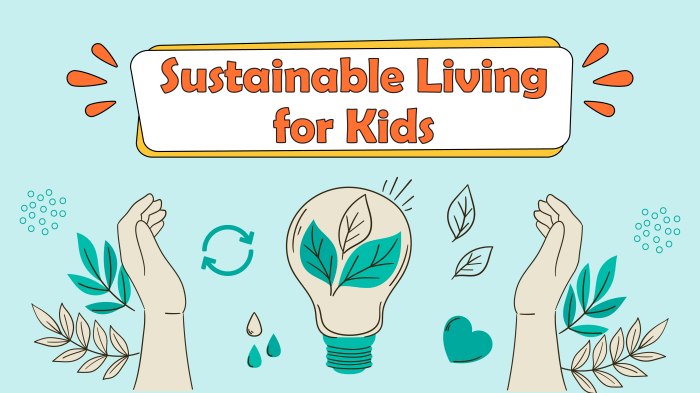
Teaching kids about sustainability is crucial in creating a more eco-conscious generation. By introducing sustainable concepts in a fun and engaging way, children can learn to appreciate the environment and develop habits that promote a greener lifestyle.
Age-Appropriate Introduction
When teaching sustainability to kids, it's essential to tailor the information to their age and level of understanding. For younger children, simple activities like sorting recyclables, planting seeds, or turning off lights when leaving a room can help introduce the concept of conservation and waste reduction.
As kids grow older, you can delve into more complex topics such as water conservation, energy efficiency, and the importance of reducing single-use plastics.
Making Sustainability Fun
To make sustainability engaging for kids, consider turning eco-friendly practices into games or challenges. Create a recycling race where children compete to sort items correctly, or challenge them to come up with creative ways to reduce waste at home. By incorporating playfulness into sustainable activities, kids are more likely to embrace these practices as a part of their daily routine.
Activities and Games
Nature Scavenger Hunt
Encourage kids to explore the outdoors and learn about different plants, animals, and ecosystems while fostering a connection to nature.
Upcycling Art Projects
Turn household items into creative art pieces to teach kids about repurposing and reducing waste.
Energy-Saving Challenge
Challenge kids to identify ways to save energy at home, like turning off lights, unplugging electronics, and using natural light during the day.
Gardening
Planting and caring for a garden can teach children about sustainable food practices, the importance of biodiversity, and the benefits of growing their own produce.
Waste-Free Lunch
Encourage kids to pack lunches using reusable containers and utensils to reduce single-use plastic waste and promote sustainable eating habits.By incorporating these age-appropriate and engaging activities into everyday life, parents and educators can instill a sense of responsibility and respect for the environment in children, paving the way for a more sustainable future.
Incorporating Sustainable Habits at Home
Living sustainably at home is not only good for the environment but can also teach children valuable lessons about responsibility and caring for the planet. Here are some simple changes families can make to live more sustainably:
Simple Changes for Sustainability
- Reduce water usage by fixing leaks, taking shorter showers, and using a dishwasher only when full.
- Switch to energy-efficient light bulbs and unplug electronics when not in use to save energy.
- Start composting kitchen scraps to reduce waste and create nutrient-rich soil for plants.
DIY Projects for Sustainability
- Create a recycling station in your home with separate bins for paper, plastic, glass, and metal.
- Upcycle old jars, containers, and clothing into new items instead of throwing them away.
- Build a small vegetable garden or herb planter to teach kids about growing their own food.
Environmentally Friendly Products for Families
- Reusable water bottles and food containers to reduce single-use plastic waste.
- Eco-friendly cleaning supplies that are safe for kids and the environment.
- Non-toxic and biodegradable personal care products like shampoo, soap, and sunscreen.
Sustainable Practices Outside the Home
When it comes to practicing sustainability with kids outside the home, there are many opportunities to make a positive impact. Whether you're traveling, dining out, or simply enjoying nature, there are simple ways to reduce waste and teach children about the importance of caring for the environment.
Reducing Waste While Traveling
When traveling with kids, it's important to be mindful of waste and its impact on the environment. Here are some tips to reduce waste while on the go:
- Avoid single-use plastics by bringing reusable water bottles, utensils, and containers.
- Pack snacks in reusable containers rather than individually wrapped packages.
- Choose eco-friendly transportation options like public transit, biking, or walking whenever possible.
- Encourage kids to participate in beach clean-ups or nature conservation activities during your travels.
Reducing Waste While Dining Out
Eating out can often lead to a lot of waste, but there are ways to minimize your environmental impact while enjoying a meal with your family:
- Choose restaurants that use sustainable practices, such as sourcing ingredients locally or composting food waste.
- Bring your own reusable containers for leftovers instead of using disposable takeout containers.
- Opt for vegetarian or plant-based options to reduce the carbon footprint of your meal.
- Encourage kids to order only what they can finish to minimize food waste.
Teaching Kids About Nature and the Environment
Spending time in nature with kids is a great way to teach them about the importance of environmental conservation. Here are some activities to help kids connect with nature:
- Go on hikes or nature walks to explore local flora and fauna.
- Plant a garden together and teach kids about the importance of pollinators and composting.
- Visit local parks or nature reserves to learn about the ecosystems in your area.
- Engage in nature-inspired crafts or DIY projects using recycled materials.
Summary
In conclusion, Simple Ways to Practice Sustainable Living with Kids is not just about the present, but also about shaping a better future for all. By making conscious choices and instilling eco-conscious values in children, we pave the way for a more sustainable world.
Answers to Common Questions
How can I make sustainability fun for kids?
Engage children in interactive activities like gardening, upcycling crafts, or nature walks to make learning about sustainability enjoyable.
What are some age-appropriate ways to introduce sustainability to kids?
Start with simple concepts like recycling, saving energy, and reducing waste, tailored to their understanding and age level.
How can families reduce waste while dining out with kids?
Opt for restaurants that use eco-friendly practices, bring reusable containers for leftovers, and choose items with minimal packaging.