
Exploring the realm of 10 Daily Habits to Boost Your Physical and Mental Wellness, this introduction sets the stage for an enlightening journey into the world of holistic well-being. The blend of casual formality in language style aims to captivate and inspire readers right from the start.
Providing detailed insights into the significance of establishing daily routines for overall health and wellness, this introductory paragraph lays the foundation for an engaging discussion ahead.
Importance of Daily Habits
Establishing daily habits is crucial for maintaining both physical and mental wellness. Consistent routines help create a sense of structure and stability in our lives, reducing stress and anxiety levels. By incorporating positive habits into our daily routine, we can improve our overall well-being and lead a healthier lifestyle.
Improved Physical Health
Regular exercise, proper nutrition, and sufficient sleep are examples of daily habits that can positively impact our physical health. Exercise helps strengthen our muscles, improve cardiovascular health, and boost our immune system. Eating a balanced diet provides essential nutrients for our body to function optimally, while getting an adequate amount of sleep allows our body to rest and recover.
Enhanced Mental Well-being
Practicing mindfulness, engaging in hobbies, and setting aside time for relaxation are habits that can enhance our mental well-being. Mindfulness techniques, such as meditation or deep breathing exercises, help reduce stress and improve focus. Pursuing hobbies that bring joy and fulfillment can boost mood and creativity.
Taking time to relax and unwind promotes mental clarity and reduces the risk of burnout.
Benefits of Daily Routines
Incorporating daily routines into our lifestyle can lead to increased productivity, improved self-discipline, and better time management. By establishing consistent habits, we can create a sense of accomplishment and motivation to tackle daily challenges. Routines also help reduce decision fatigue, allowing us to focus on more important tasks and goals.
Physical Wellness Habits
Maintaining physical wellness is crucial for overall health and vitality. By incorporating daily habits that prioritize physical well-being, you can enhance your quality of life and reduce the risk of various health issues.
Regular Exercise
Regular physical activity is essential for maintaining a healthy body. Engaging in exercises such as cardio, strength training, or yoga helps improve cardiovascular health, build muscle strength, and boost overall energy levels.
Healthy Nutrition
Eating a balanced diet rich in fruits, vegetables, lean proteins, and whole grains provides the essential nutrients your body needs to function optimally. Avoiding processed foods and excessive sugars helps prevent chronic diseases and promotes overall well-being.
Adequate Hydration
Staying hydrated is key to supporting numerous bodily functions, including digestion, circulation, and temperature regulation. Drinking enough water throughout the day helps flush out toxins, maintain skin health, and improve overall performance.
Sleep and Rest
Getting an adequate amount of quality sleep is crucial for physical recovery and overall health. During sleep, the body repairs tissues, consolidates memories, and regulates hormones. Incorporating relaxation techniques such as meditation or deep breathing can also help reduce stress and promote a sense of calm.
Mindful Movement
Incorporating mindful movement practices such as stretching, walking, or tai chi can improve flexibility, balance, and posture. These activities not only benefit physical health but also contribute to mental well-being by reducing stress and enhancing focus.
Mental Wellness Habits
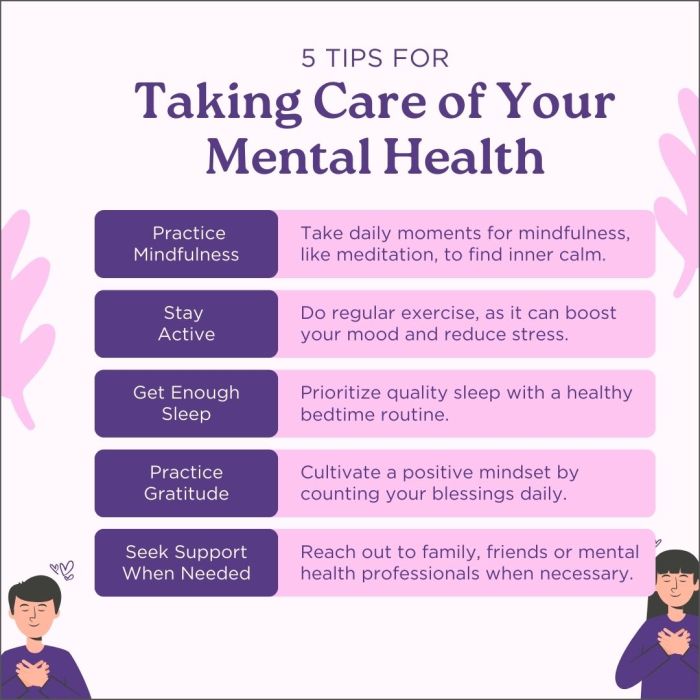
Maintaining good mental health is essential for overall well-being. Here are five habits that can support your mental wellness and emotional well-being.
Mindfulness
Practicing mindfulness involves being fully present in the moment and paying attention to your thoughts and feelings without judgment. This can help reduce stress and anxiety, improve focus, and enhance self-awareness.
Meditation
Meditation is a powerful tool for calming the mind and reducing negative emotions. Taking even just a few minutes each day to meditate can help improve mental clarity, reduce stress levels, and promote a sense of inner peace.
Stress Management Techniques
Effective stress management techniques such as deep breathing exercises, progressive muscle relaxation, and engaging in physical activity can help reduce the harmful effects of stress on the mind and body. By learning how to cope with stress in healthy ways, you can improve your mental resilience and overall well-being.
Positive Thinking
Cultivating a positive mindset can have a profound impact on your mental health. Positive thinking can help reduce feelings of anxiety and depression, boost self-esteem, and enhance overall happiness. By focusing on the good in your life and practicing gratitude, you can shift your perspective and improve your mental wellness.
Gratitude Practices
Practicing gratitude involves acknowledging and appreciating the good things in your life, no matter how small. Keeping a gratitude journal, expressing thanks to others, or simply taking a moment to reflect on the positive aspects of your day can help foster feelings of contentment and joy, leading to improved mental well-being.
Self-Care Routines
Taking care of yourself is crucial for maintaining good mental health. Engaging in self-care activities such as getting enough sleep, eating nutritious foods, exercising regularly, and setting aside time for relaxation can help reduce stress, boost mood, and improve overall mental wellness.
Creating a Balanced Routine
Maintaining a balanced routine is essential for overall well-being as it ensures that both your physical and mental health needs are met consistently throughout the day. By incorporating a mix of activities that promote physical fitness and mental relaxation, you can enhance your overall quality of life.
Tips for Designing a Balanced Daily Schedule:
- Allocate specific time slots for exercise, such as morning workouts or evening walks, to ensure regular physical activity.
- Plan and prepare healthy meals in advance to avoid resorting to unhealthy food choices when pressed for time.
- Schedule periods of relaxation and self-care, whether it's through meditation, reading, or engaging in hobbies you enjoy.
- Include mental health activities like journaling, practicing gratitude, or mindfulness exercises to nurture your emotional well-being.
Wrap-Up
Concluding our exploration of 10 Daily Habits to Boost Your Physical and Mental Wellness, this summary encapsulates the essence of cultivating a balanced lifestyle that nurtures both body and mind. It leaves readers with a sense of motivation and empowerment to embark on their wellness journey.
Quick FAQs
How do daily habits impact physical and mental wellness?
Establishing daily habits plays a crucial role in enhancing both physical and mental well-being by promoting consistency and discipline in self-care practices.
What are some examples of physical wellness habits?
Physical wellness habits include regular exercise, balanced nutrition, proper hydration, sufficient sleep, and relaxation techniques to maintain a healthy body.
How can mindfulness practices benefit mental wellness?
Mindfulness practices such as meditation help in reducing stress, improving focus, and fostering emotional resilience, thereby contributing to enhanced mental well-being.